How Autonomous Payroll Systems Handle Tax Notice Resolution
Automated systems collapse manual workflows to catch tax notices before penalties accrue.
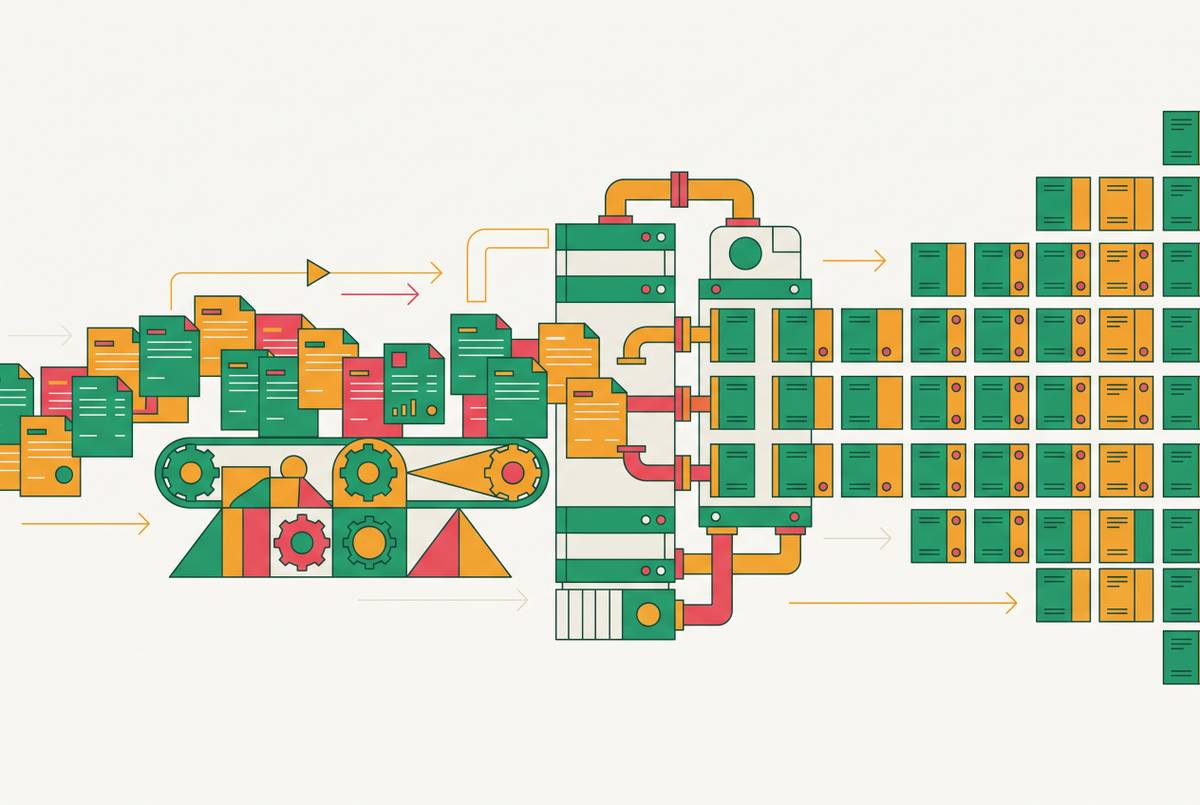
The IRS generates an enormous volume of notices each year, and most companies still route every one through five people before anyone drafts a response. The routing is the actual problem, not the volume. Five handoffs means five separate points of failure, and no amount of diligence closes a gap that's built into the sequence itself. Autonomous payroll systems fix this by collapsing the sequence: a notice comes in, gets read, gets diagnosed, and gets acted on, without a person shepherding it from desk to desk.
Here's what a notice sets off inside a manual shop. HR goes looking for the payroll records tied to the period in question. Finance has to figure out what type of notice it even is (a CP2000 reads nothing like a CP504), and legal reviews the response options before anyone drafts a word. Each handoff adds a day, sometimes more, and each one is a place where something gets dropped or misread. None of that is a knock on the people doing the work. A notice that needs five separate people to read, classify, route, retrieve from, and respond to has five separate points of failure built in, no matter how good those five people are.
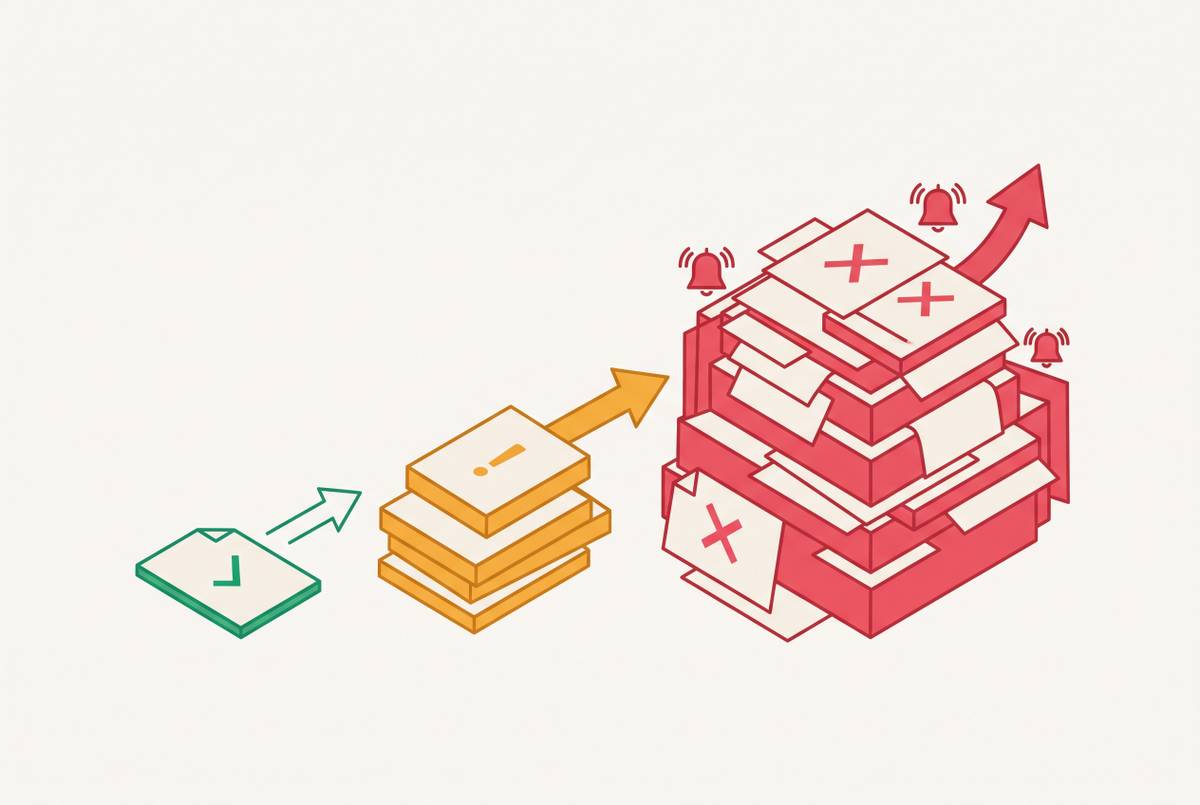
The penalty schedule doesn't wait for that process to finish. IRS late deposit penalties begin accruing immediately and climb depending on how late the deposit runs. That's the default result of sequential, disconnected human work running against a deadline that doesn't care how busy anyone is, not a freak outcome.
What an autonomous notice-resolution workflow actually does, step by step
The workflow starts with intake and classification. The system takes in the notice, whether it's uploaded or pulled automatically from an agency portal, and identifies what it's dealing with: CP2000, CP14, CP504, Form 12C, and so on. It pulls the facts that matter (taxpayer ID, tax period, the specific discrepancy being claimed, the response deadline) without anyone sitting down to read the letter first.
From there it moves to root cause diagnosis, and this is the step most manual processes get wrong first. The agent checks the notice against payroll records for the period in question and works out where the mismatch came from: a calculation error, a filing that got skipped, a deposit that landed on the wrong date, or a conflict with what a third party reported to the agency. Nobody has time to trace a discrepancy back to its origin before the deadline hits, which is exactly why this step used to require someone with years of payroll tax background staring at a spreadsheet.
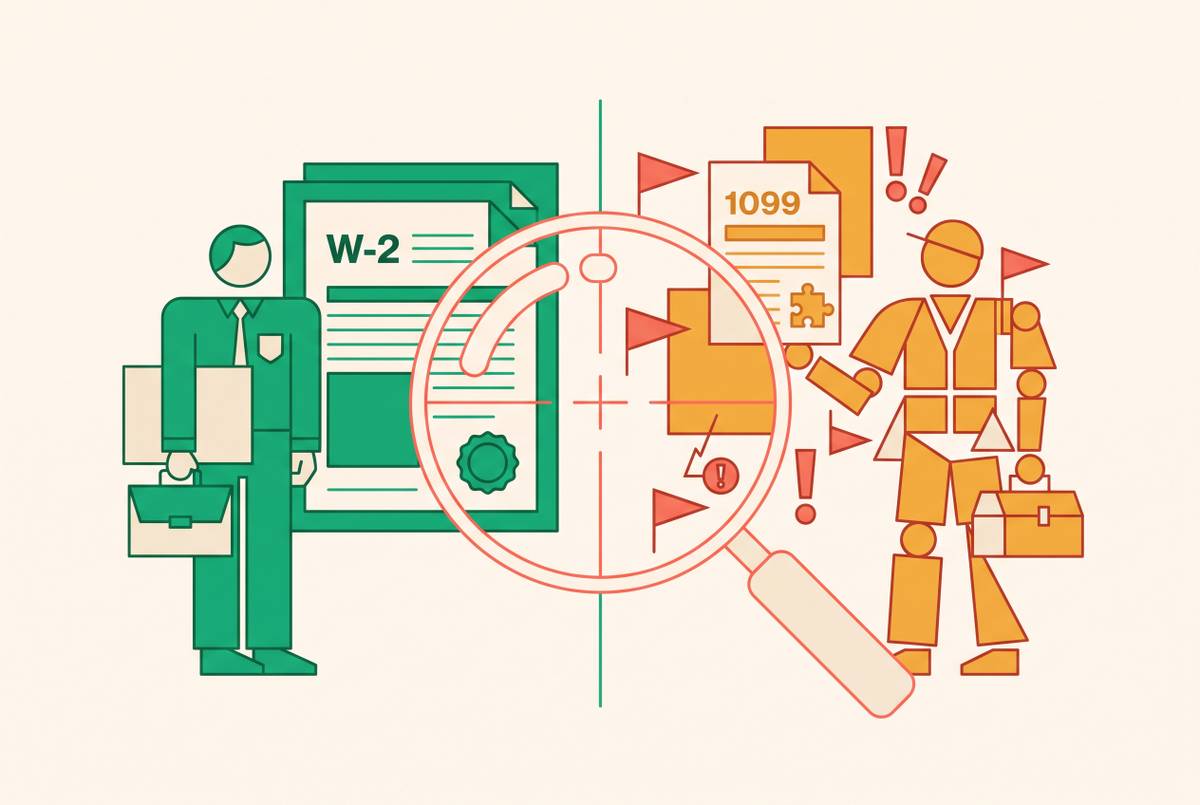
Record retrieval comes next, and it happens on its own. W-2s, 1099s, prior filings, remittance history, whatever the diagnosis calls for gets pulled without a manual export or a request sitting in some other department's queue.
Then comes response or remediation. Depending on what the diagnosis turned up, the agent either builds a structured response packet, citing the relevant IRS publications and Form 843 where abatement applies, or it starts a corrective filing directly. Nobody is waiting on a person to write a letter from scratch.
Last is deadline tracking and audit readiness. The system sets the response deadline, watches it, keeps a full document trail, and keeps the right people informed. The notice doesn't sit in an inbox waiting to be remembered, which is exactly where most manual processes lose track of it.
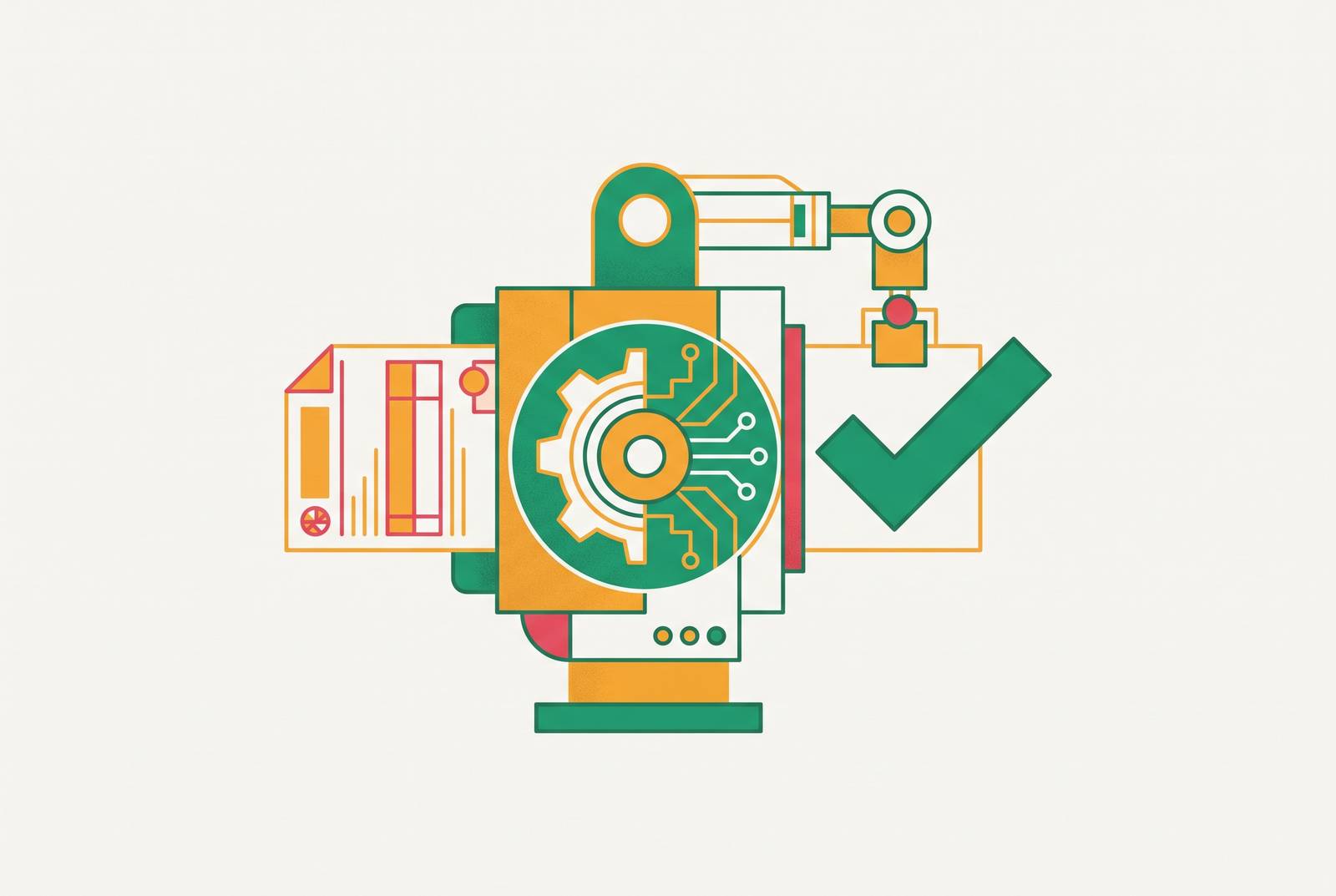
Reliability here comes from a split most vendors skip: the AI agent handles orchestration (when to act, which records to pull, whether something needs to be kicked up to a person), and a dedicated tax engine underneath handles the actual computation, applying the correct rules for the correct jurisdiction. Symmetry's architecture separates these into distinct layers for exactly this reason, so the orchestration layer can move fast and make judgment calls while the calculation layer stays fixed and exact. Coverage across more than 92,000 U.S. jurisdictions, plus international coverage, means the same sequence runs whether the notice came from a state, a city, or a school district, without a separate playbook for each. The person on the other end stops getting a task queue and starts getting an outcome, with a paper trail showing exactly how the system got there.
The tax engine underneath: why notice resolution requires deterministic calculation, not approximation
Most agentic AI can afford to be a little wrong. A scheduling agent picks a suboptimal meeting time and the meeting still happens; nobody's out any money. Payroll tax compliance doesn't get that luxury. Every calculation has to be exactly right, for every employee, in every jurisdiction, every time. There's no such thing as mostly-correct withholding, and an automation layer that guesses at jurisdiction rules doesn't reduce notice volume. It manufactures a fresh batch.
Miss a local tax, a city transit levy, a school district earned income tax the agent never accounted for, and the result is new notices, new penalties, and W-2s that need reissuing. That's the failure mode worth naming directly, because it's the one vendors gloss over when they pitch "AI-powered" notice handling without saying what's actually computing the numbers underneath.
The fix is architectural, not procedural, and it has to happen in that order. The AI agent layer handles orchestration. A dedicated payroll tax engine layer handles the deterministic math. An explainability layer documents why a given number is what it is, tied to specific rates and specific rules, so the reasoning survives an audit. This is the three-layer model Symmetry has documented, and it matters because When an agent drafts a response to a CP2000 mismatch, it needs to say which jurisdiction's rule applied and how the number was derived. Handing over a new total without that reasoning isn't a strategy, it's a bet against the next notice.
The Symmetry Tax Engine runs calculations across more than 7,000 U.S. jurisdictions at an average of 3.32 milliseconds per call, fast enough that an agent can query it mid-workflow without the resolution process slowing down to wait on it.
In payroll, the tax engine is the risk control, not a nice-to-have layered on top, and bolting it on as an afterthought is how a project ends up failing to deliver on its promise. An autonomous payroll platform built for companies scaling fast folds tax calculation, multi-jurisdiction compliance, and notice handling into one system, rather than stitching together separate vendors and hoping the seams hold.
How multi-state and multi-jurisdiction complexity multiplies notice exposure, and how autonomous systems handle it
A single remote hire working from a different state can create payroll tax nexus there: registration, withholding, and filings the company didn't have before. Miss any one of those and there's a new surface for a notice to land on.
2025 brought a wave of new paid leave rules with payroll consequences. Multiple states expanded or introduced programs; Michigan's Earned Sick Time Act took effect February 21, 2025, replacing the old Paid Medical Leave Act; Minnesota's contribution requirements start January 1, 2026. Each of these is a live opportunity for a mismatch between what got withheld and what the jurisdiction now expects.
Enforcement tightened at the same time. The compliance surface is widening, and the combination of new rules and tighter enforcement—not processing speed—is what actually drives notice volume.
Year-end makes this worse. Employees who worked across multiple states during the year need their wages allocated correctly to each one, a task that's easy to get wrong by hand and reliably produces the mismatches that surface as CP2000 notices the following spring.
Autonomous systems handle this by applying the right rate and the right rule per jurisdiction as payroll runs, rather than depending on one specialist somewhere to keep every state's changes in their head. That removes the notice risk before it exists, instead of cleaning it up after an agency flags it. Payroll professionals consistently rank local compliance among their biggest challenges, ahead of vendor management and automation concerns. The jurisdiction problem is the notice problem, full stop. Treating them as separate issues is the mistake most payroll teams are still making.
What the outcomes data shows about autonomous notice resolution at scale
Cycle time is the clearest number available. Organizations using AI for payroll tax filing close quarterly 941/944 filings in an average of 4.1 hours, against 22.4 hours for manual filing, an 82% reduction according to APA's 2025 data. Shorter filing cycles mean fewer stretches where a late deposit can happen, and fewer notices generated purely by timing.
Adoption is where the story gets uneven, and it's worth stating plainly instead of dressing it up. APA's 2025 data shows 67% of organizations use some form of payroll tax filing automation, but only 23% meet the bar for full capability: AI-powered validation against live tax rate tables, proactive detection when a jurisdiction changes its rules, automatic reconciliation against the general ledger. Most organizations are running a partial version of this and getting partial results, and partial results still generate notices. That gap between 67% and 23% is the whole story of why notice volume hasn't dropped industry-wide even as automation spending has climbed. Point to any company still fielding a steady stream of CP2000s, and odds are it sits in that 67% bucket, claiming automation while actually running the partial version.
Payroll service firms are catching up fast. Wolters Kluwer's 2025 Future Ready Accountant Report found payroll tax automation adoption among accounting and payroll service firms jumped from 14% in 2024 to 38% in 2025. That jump will push client expectations upward across the industry, whether or not every firm is ready for it.
The real gap sits between "some automation" and full autonomous resolution, and most companies are camped out in that gap right now. That's not a comfortable place to be, and the numbers above explain exactly why: partial automation still leaves the diagnosis, the retrieval, or the drafting step in human hands, and one weak link is all a deadline needs.
What finance and HR teams actually stop doing when notice resolution is autonomous
HR leaders spend a significant share of their time on manual administrative tasks. Notice handling—reading, routing, retrieving, drafting—sits among the most time-consuming of those tasks and the least forgiving on deadlines.
When resolution runs on its own, the relationship changes shape entirely. A team no longer receives a task with a due date attached. It receives a status update: this notice came in, here's what it was, here's how it got resolved, here's the trail behind it.
Escalation becomes the exception, not the default structure. The agent handles intake, diagnosis, retrieval, and response on its own; a person steps in only when the diagnosis is genuinely ambiguous or the remediation calls for a judgment call nobody's willing to automate yet. Not every notice needs a human anymore. Just the ones that actually do.
The risk that used to live quietly in somebody's inbox, unread, mis-routed, past its deadline before anyone noticed, gets replaced by a tracked queue with deadlines enforced on their own and visibility for whoever's watching. For companies adding headcount across new states every quarter, this matters more than it looks: notice volume grows right alongside headcount, and a manual process doesn't scale with the team. It breaks under it. An autonomous workflow runs the same whether there are five notices a month or five hundred.
Platforms that fold payroll, compliance, and notice resolution into one system remove the handoff risk that shows up whenever separate tools have to talk to each other, and that handoff risk is itself a source of notices. The practical test for any operator is simple enough to ask right now: if a notice showed up tomorrow, how many people would touch it before a response goes out, and how many of those touches are actually necessary, versus just leftover habits from a process built for a smaller, slower company.
Sources
- Agentic Payroll: Why AI Agents Need Payroll Tax Compliance | Symmetry
- AI Payroll Tax Filing Automation Statistics 2026: Adoption, Accuracy, and Cost Data
- AI in Payroll 2026: Automation, Predictive Analytics & Future Technologies
- AI Payroll Software: How Tax Engines Power AI-Driven Payroll | Symmetry
- The Future of Payroll Taxes — How Leading Compliance Teams Are Gaining a Competitive Edge | Symmetry
- AI + OCR-powered Tax Notice Management | Notice Ninja
- blog.noticeninja.com
- symmetry.com